Mezcal is a traditional alcoholic beverage from Mexico, known for its smoky flavor and rich cultural heritage. Its production remains largely an artisanal process passed down from generation to generation.
History of Mezcal
Pre-Columbian Origins
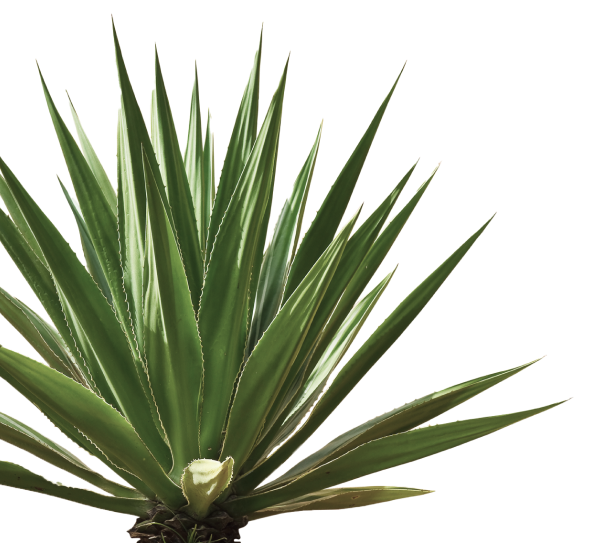
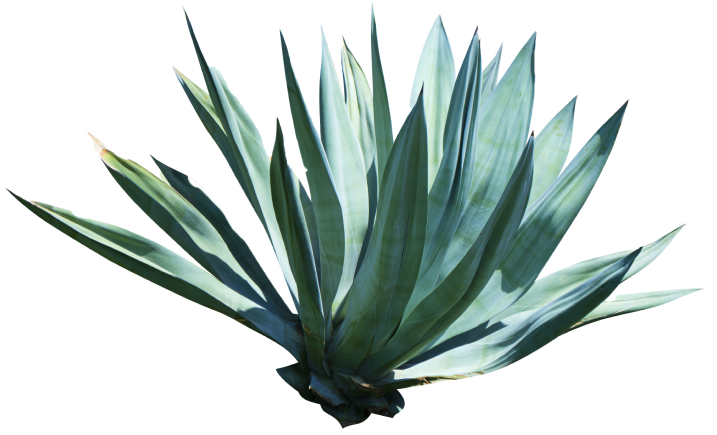
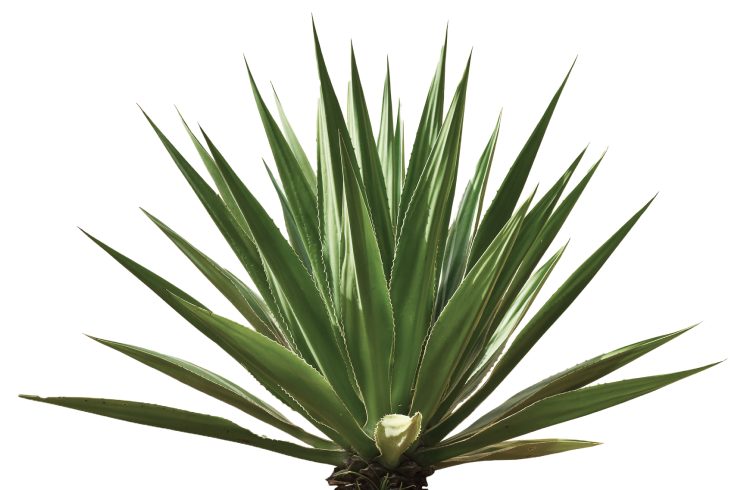
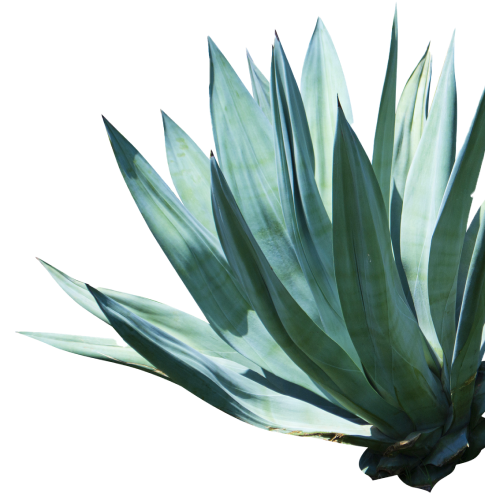
The history of mezcal dates back to pre-Columbian times. Ancient Mexican civilizations, such as the Zapotecs and Mixtecs, used the agave (or maguey) plant not only for beverage production, but also as a source of food, fiber, and building materials.
Arrival of the Spanish
With the arrival of the Spanish in the 16th century, distillation techniques were introduced and adapted by the indigenous people. The result was mezcal, a beverage distilled from the agave plant.
Development and Regulation
Over the centuries, mezcal has evolved. In the 19th and 20th centuries, the drink gained popularity, and in the 20th century, its production was regulated. In 1994, mezcal was granted the Controlled Designation of Origin (AOC), limiting its production to certain states in Mexico and establishing standards for its manufacture.
Artisanal Mezcal Process
The artisanal process of making mezcal can vary slightly depending on the region and local traditions, but it generally follows these steps:
Agave Cultivation and Harvest
Agave Selection
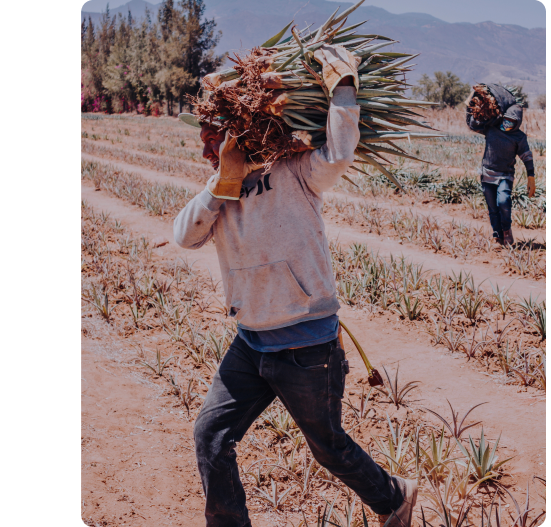
Several species of agave are used, the most common being Espadín and Tobalá. The agave must mature for several years (between 7 and 15 years) before being harvested.
Jima
Once ripe, the agave is harvested through the jima, a process in which the leaves are cut to obtain the heart of the agave, called “piña”.
Cooking
Earth Ovens
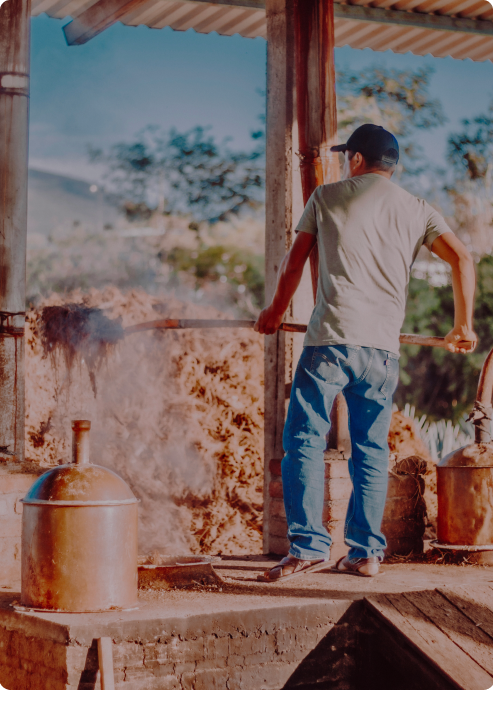
The agave piñas are cooked in traditional underground ovens, which are pits filled with hot stones. The piñas are placed into these pits and covered with earth and leaves.
This process lasts several days and gives the mezcal its characteristic smoky flavor.
Crushing
Tahona
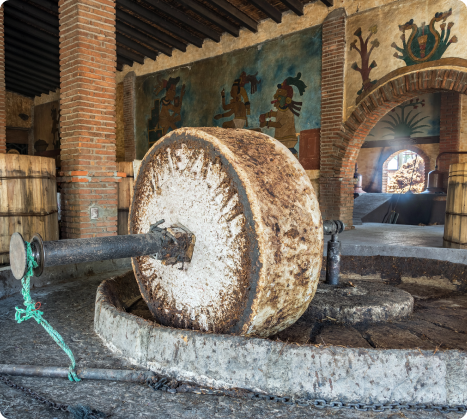
After cooking, the agave piñas are crushed using a tahona, a large circular stone pulled by animals such as donkeys or horses, or sometimes by electric motors. The goal is to extract the juice from the agave.
Fermentation
Wooden Vats
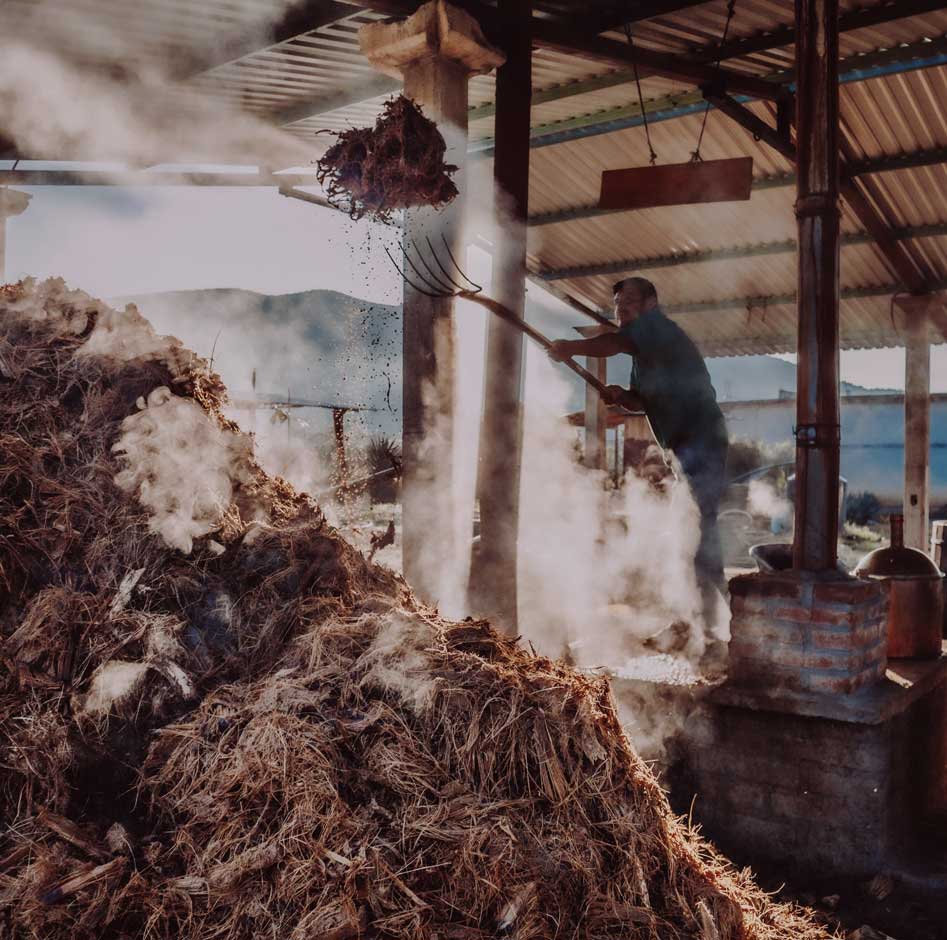
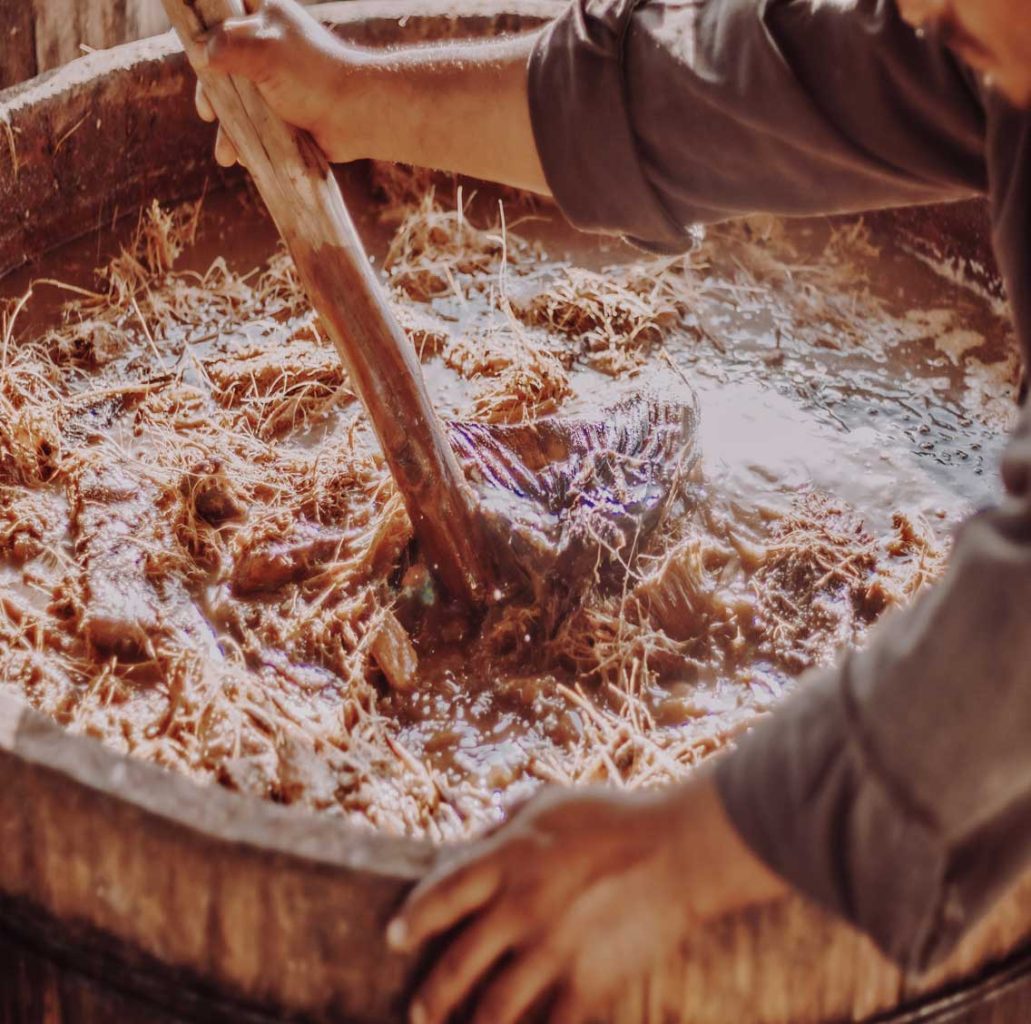
The Agave juice, along with the fibers, is placed in large wooden vats to ferment. Fermentation can last from a few days to several weeks, depending on temperature and other environmental factors.
Distillation
Copper or Clay Stills
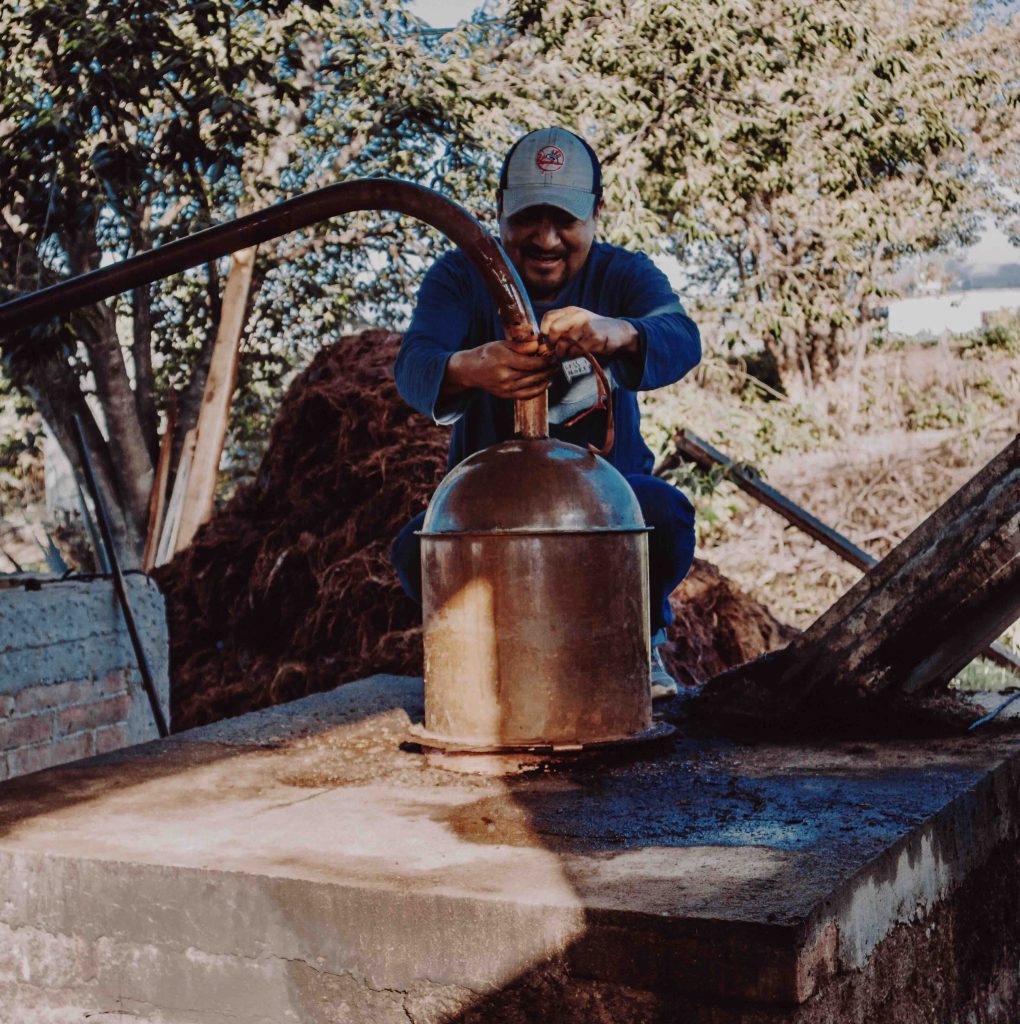
The fermented must is distilled in traditional copper stills or in clay pots. Distillation is usually done twice to obtain a purer product.
Maturation and Bottling
Resting
Depending on the type of mezcal, the distillate can rest in wooden barrels (mezcal reposado or añejo) or be bottled directly after distillation (mezcal joven or blanco).
Bottling
Finally, the mezcal is bottled and labeled, ready to be
distributed and consumed.
Artisanal Mezcal Process
The artisanal process of making mezcal can vary slightly depending on the region and local traditions, but it generally follows these steps:
Agave Cultivation and Harvest
Agave Selection
Several species of agave are used, the most common being Espadín and Tobalá. The agave must mature for several years (between 7 and 15 years) before being harvested.
Jima
Once ripe, the agave is harvested through the jima, a process in which the leaves are cut to obtain the heart of the agave, called “piña”.
Cooking
Earth Ovens
The agave piñas are cooked in traditional underground ovens, which are pits filled with hot stones. The piñas are placed into these pits and covered with earth and leaves.
This process lasts several days and gives the mezcal its characteristic smoky flavor.
Crushing
Tahona
After cooking, the agave piñas are crushed using a tahona, a large circular stone pulled by animals such as donkeys or horses, or sometimes by electric motors. The goal is to extract the juice from the agave.
Fermentation
Wooden Vats
The Agave juice, along with the fibers, is placed in large wooden vats to ferment. Fermentation can last from a few days to several weeks, depending on temperature and other environmental factors.
Distillation
Copper or Clay Stills
The fermented must is distilled in traditional copper stills or in clay pots. Distillation is usually done twice to obtain a purer product.
Maturation and Bottling
Resting
Depending on the type of mezcal, the distillate can rest in wooden barrels (mezcal reposado or añejo) or be bottled directly after distillation (mezcal joven or blanco).
Bottling
Finally, the mezcal is bottled and labeled, ready to be distributed and consumed.
Types of Mezcal
Mezcal is not only a drink, but also a cultural expression and a symbol of Mexican identity. Its artisanal process and deep roots in local traditions make mezcal a unique and valuable drink in world gastronomy.
Joven or Blanco
Without aging, bottled directly after distillation.
Reposado
Aged in wooden barrels for a period of 2 to 12 months.
Añejo
Aged in wooden barrels for more than 12 months.
Mezcal de Pechuga
A special type distilled with chicken or turkey breast and other ingredients such as fruits and spices.